
Labor Day Protesters Target Palantir Over Surveillance Tech and Worker Rights
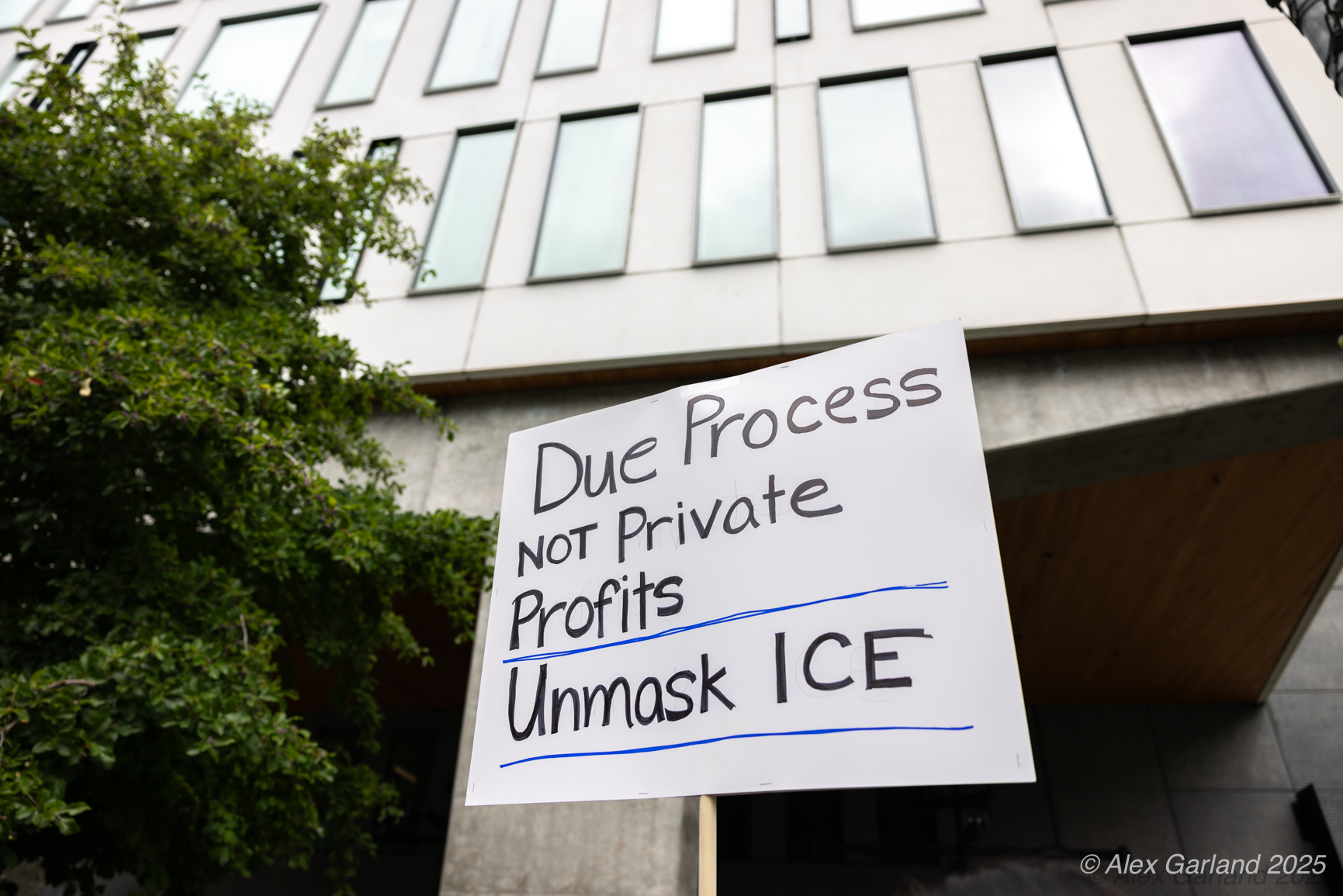
SEATTLE – Labor Day took on a more confrontational tone in the Seattle area Monday, as hundreds of protesters moved between two locations to denounce what they called connected systems of surveillance and worker exploitation. The day’s actions began outside data analytics company Palantir Technologies in Seattle’s South Lake Union district before continuing at Immigration and Customs Enforcement offices in Tukwila.


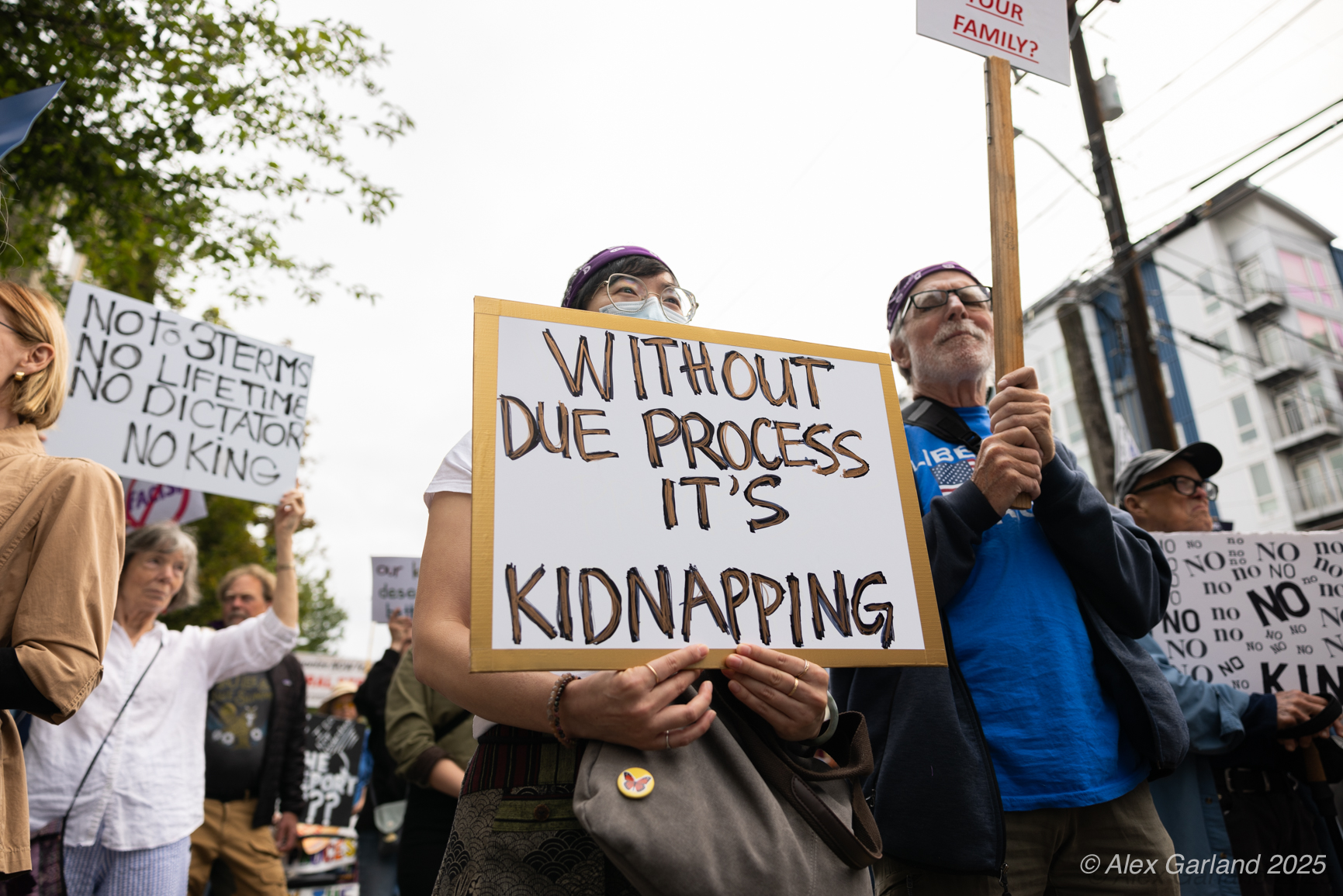

The demonstration, held on the federal holiday that has celebrated American workers since 1894, featured two particularly compelling speakers: a former Palantir graphic designer who quit after connecting their work to military operations, and a labor organizer who drew parallels between the company’s practices and historical struggles for worker rights in Washington state.
Historic Roots of Worker Solidarity
Labor Day itself emerged from 19th century labor organizing, first celebrated in New York City in 1882 through efforts by the Central Labor Union and Knights of Labor. The holiday became federal law in 1894 under President Grover Cleveland, notably chosen over the more radical May Day commemoration to avoid association with the bloody Haymarket affair in Chicago.
The choice of Labor Day for Monday’s protest carried symbolic weight, as speakers explicitly connected their fight against modern corporate surveillance to the historical labor movement that established the holiday. One organizer noted how their family’s three generations of timber work in Washington represented the same struggle against corporate elites that Labor Day was created to honor.
From Designer to Whistleblower


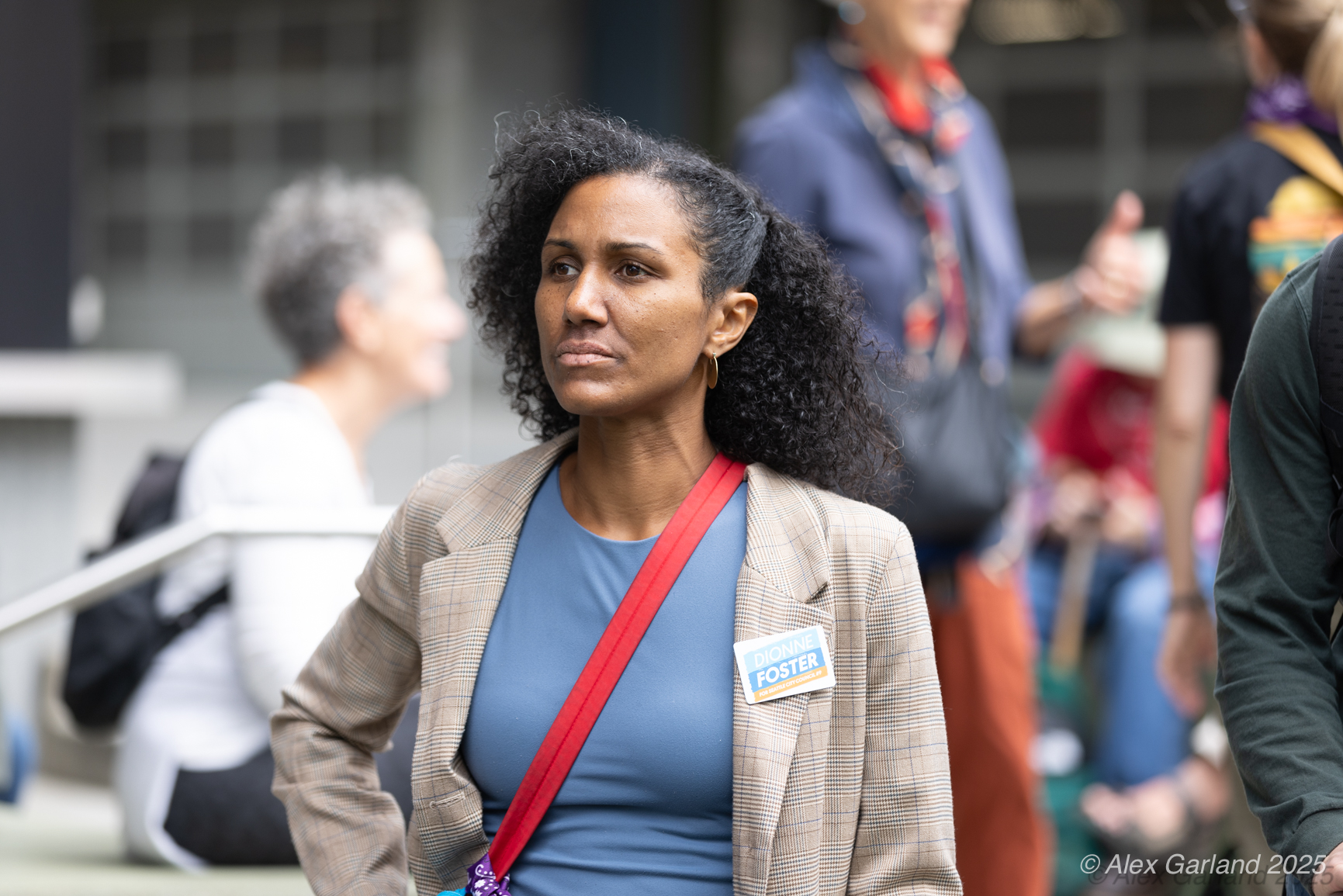
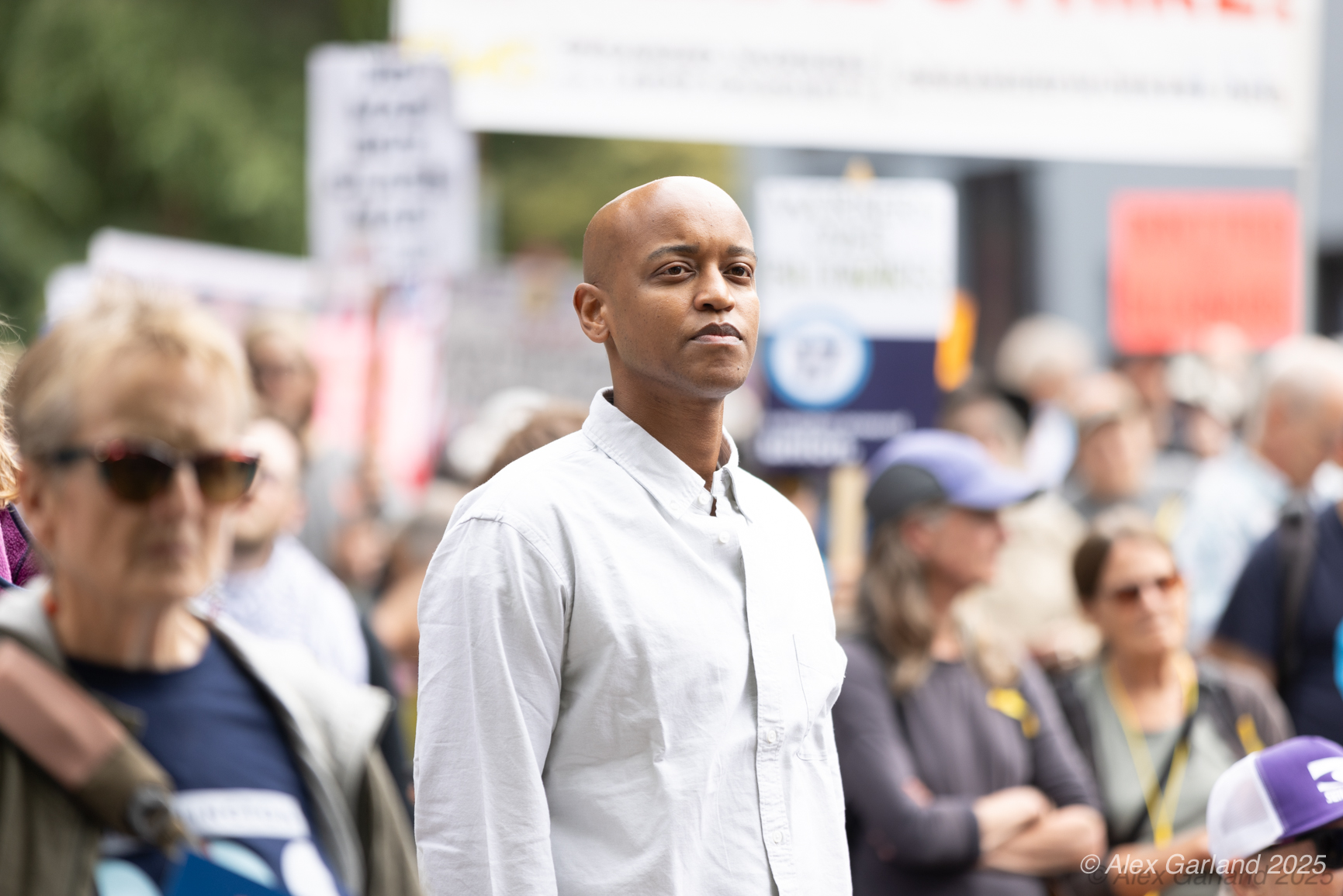


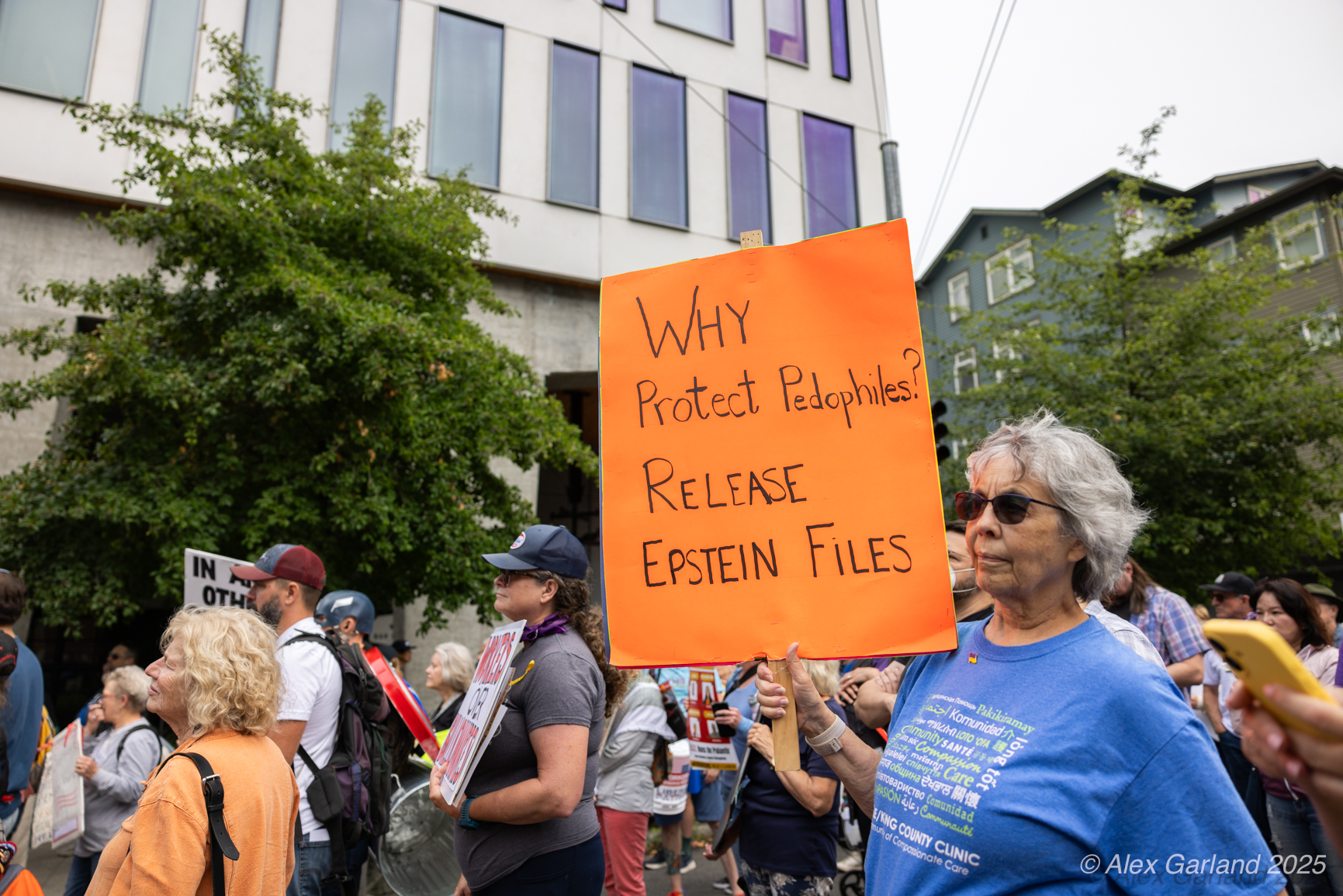
The former employee, who worked as a graphic designer illustrating surveillance technologies, described a jarring awakening after the Gaza conflict began. “I started looking into what I was really illustrating and working on, and what I found out horrified me,” they told the crowd. “Simple illustrations that I sent with proposals and that the Pentagon saw in real life, they look like dead babies near mosques and parks in public places in Gaza.”
The speaker criticized not only Palantir’s military applications but its expansion into commercial surveillance, arguing these “dragnet” technologies violate First and Fourth Amendment rights by monitoring where people go, who they meet, and what they say.
Generational Fight Against Corporate Power




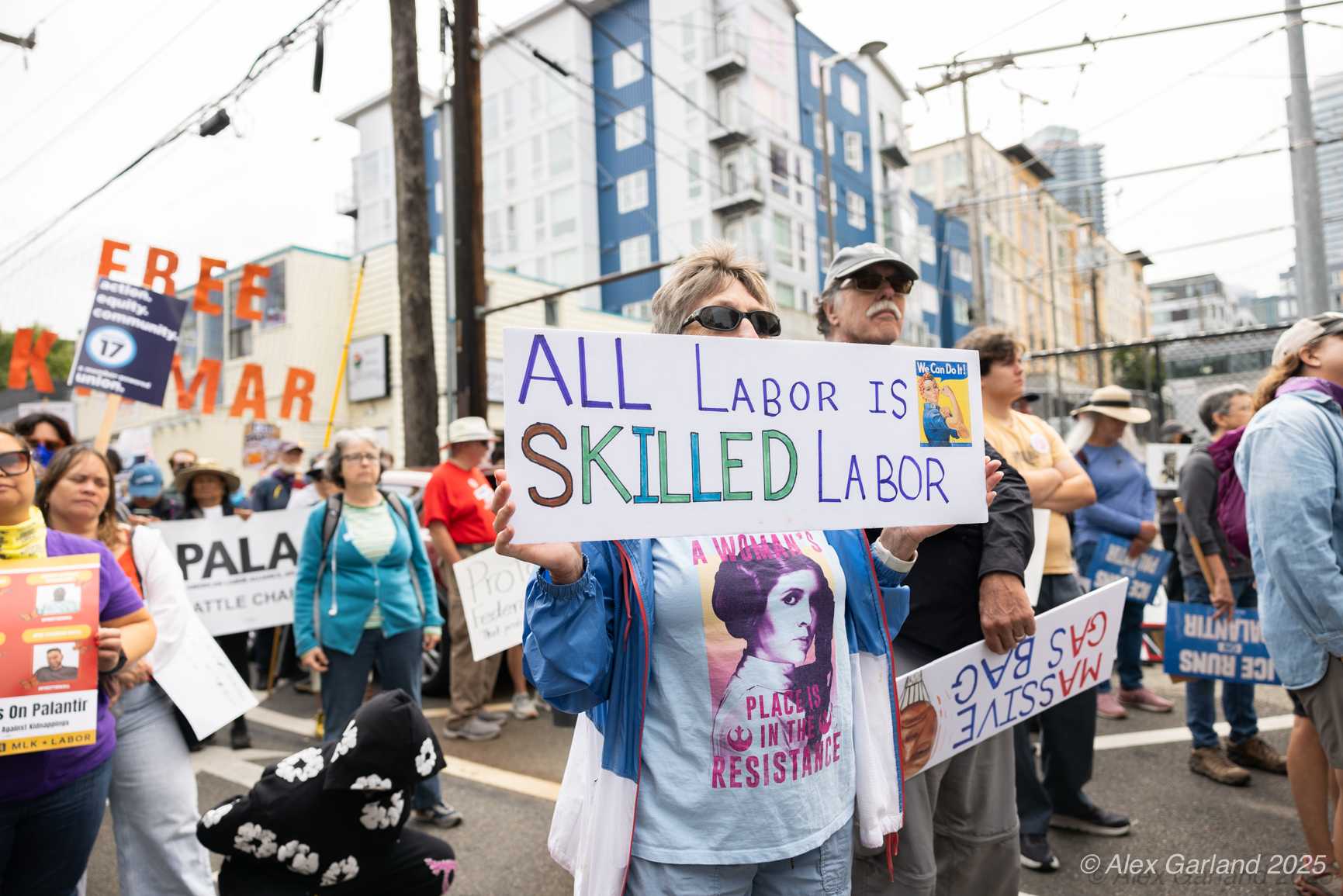
Executive Secretary-Treasurer or Laborers Local 242, Katie Garrow, connected Palantir’s practices to Washington’s labor history, drawing from three generations of family experience in the timber industry. “East Coast elites like Peter Thiel, other oligarchs like Friedrich Weyerhaeuser, owned our forests,” they said, “but my family and thousands of other timber workers over those three generations, fought. They won their unions and they won middle class lives despite incredible odds.”
Garrow argued that current workers face similar challenges to those their grandmother fought, including environmental destruction and corporate control over workers’ lives. They specifically noted that federal workers have lost union protections and that Black workers face unemployment at twice the rate of white workers.
Tech Industry Transformation
In a striking proposal that echoed Labor Day’s original vision of worker empowerment, the labor speaker suggested that “security guards and janitors in these big tech offices can join…apprenticeship programs and become the programmers of big AI and tech.” This vision would fundamentally reshape the current hierarchy in South Lake Union, where service workers clean offices while tech employees develop increasingly powerful surveillance tools.
Connecting Corporate and Government Surveillance



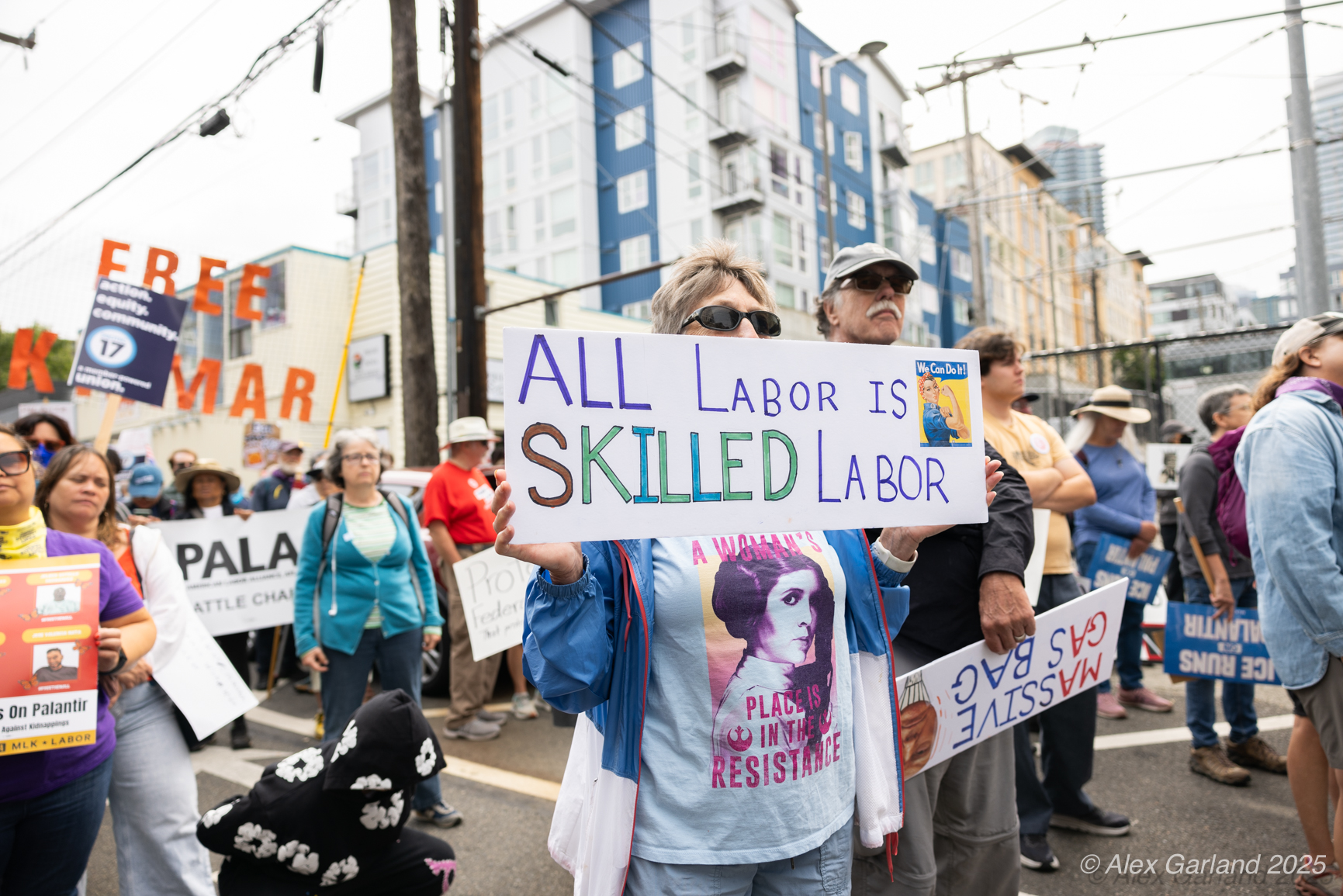
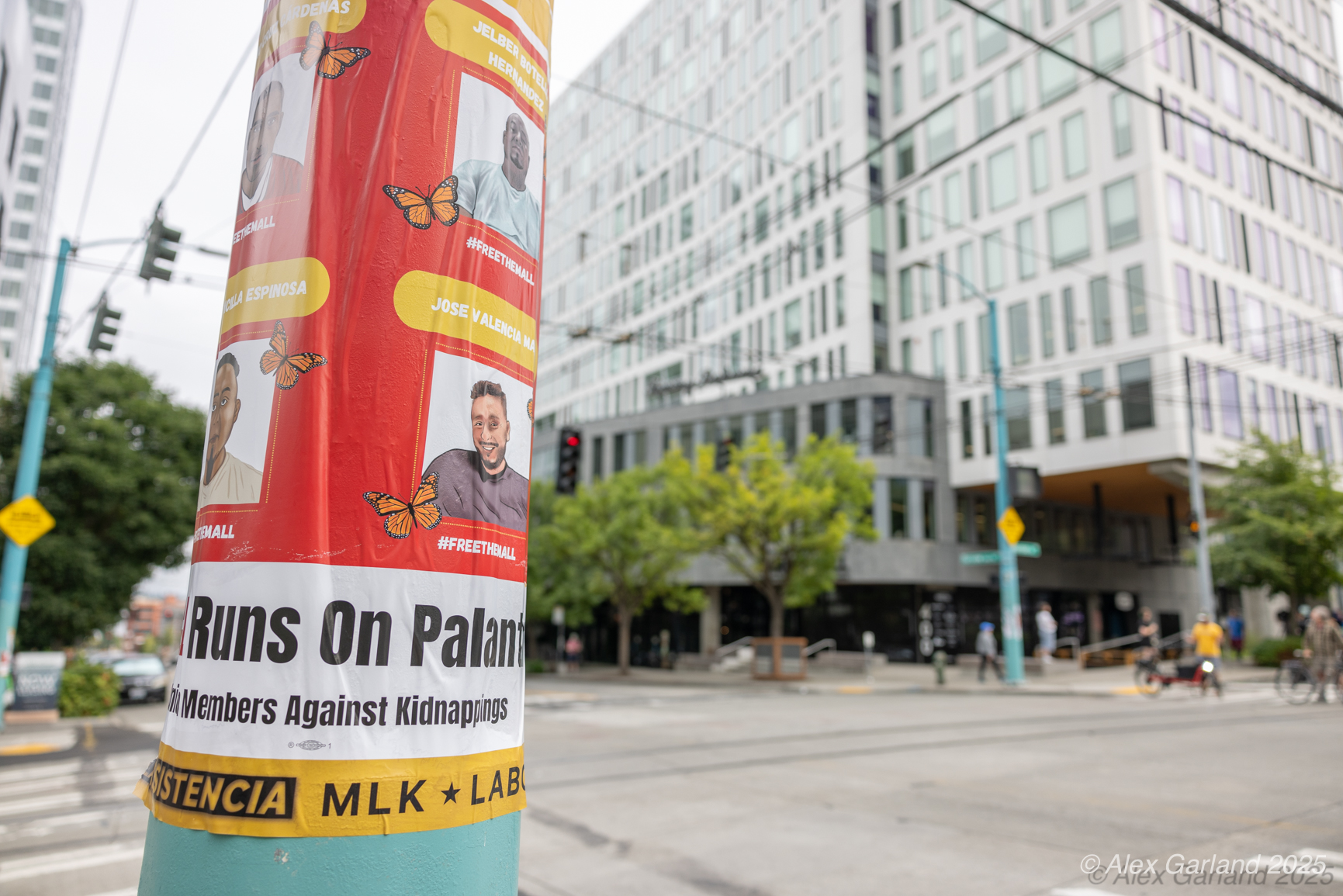


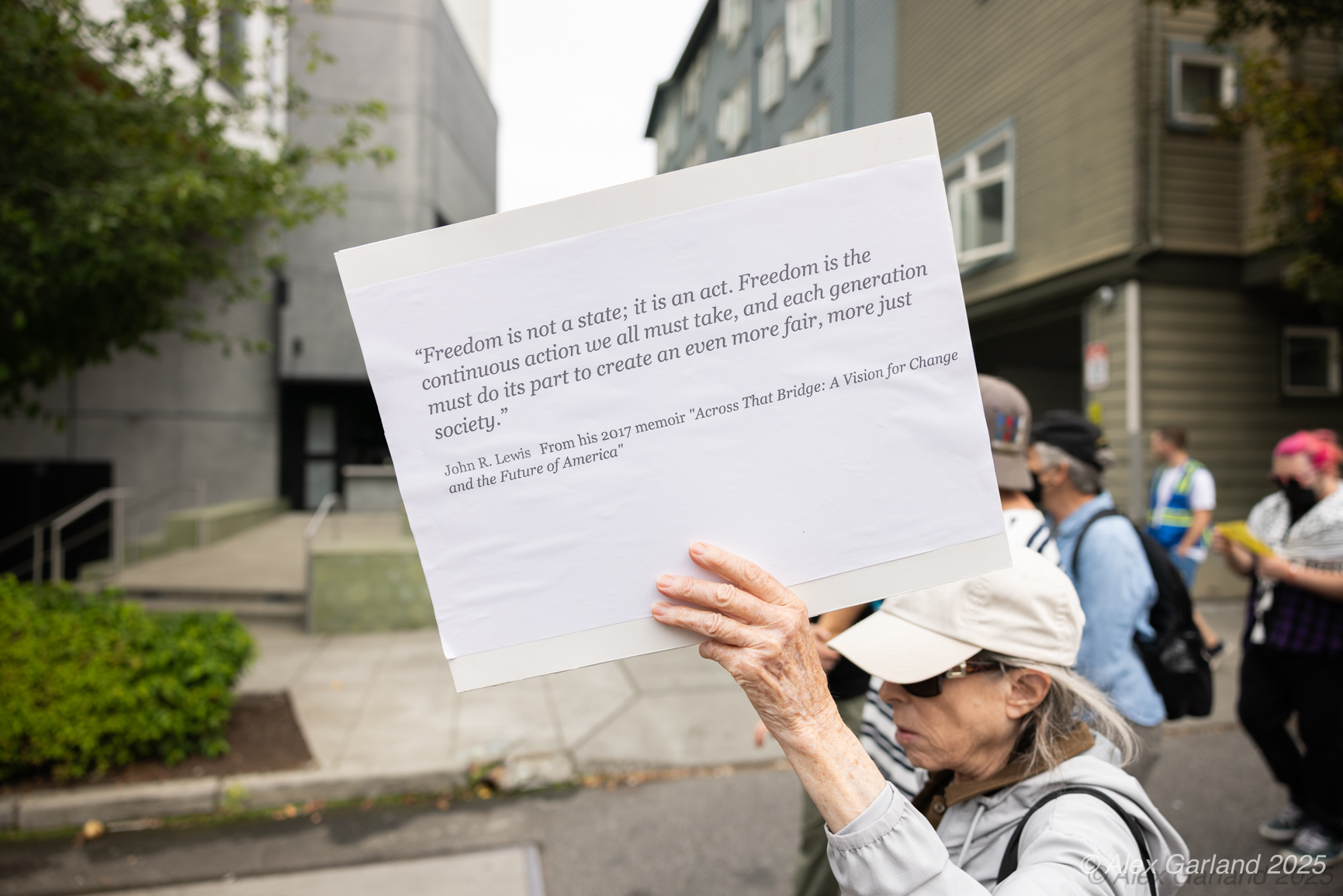
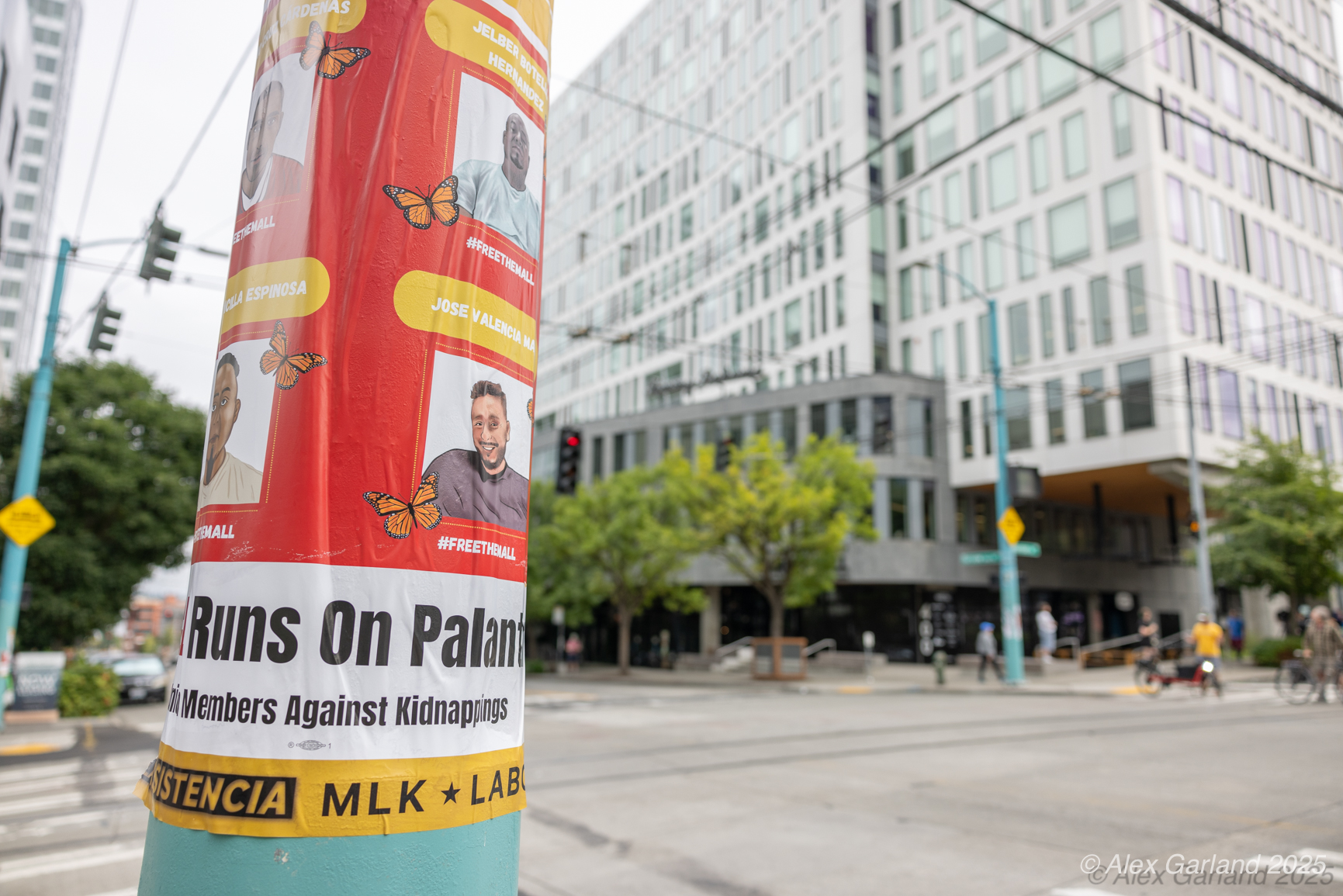
The decision to hold actions at both Palantir’s offices and the ICE facility in Tukwila underscored protesters’ argument that corporate surveillance technologies and immigration enforcement represent interconnected systems of control. Speakers had emphasized how companies like Palantir profit from government contracts while developing tools that affect both immigrant communities and broader worker organizing efforts.
Broader Movement
The demonstration was part of what organizers described as a nationwide effort targeting Palantir offices across multiple cities. Speakers emphasized the need for in-person organizing beyond social media platforms, which they argued are themselves part of the surveillance apparatus they’re fighting against.
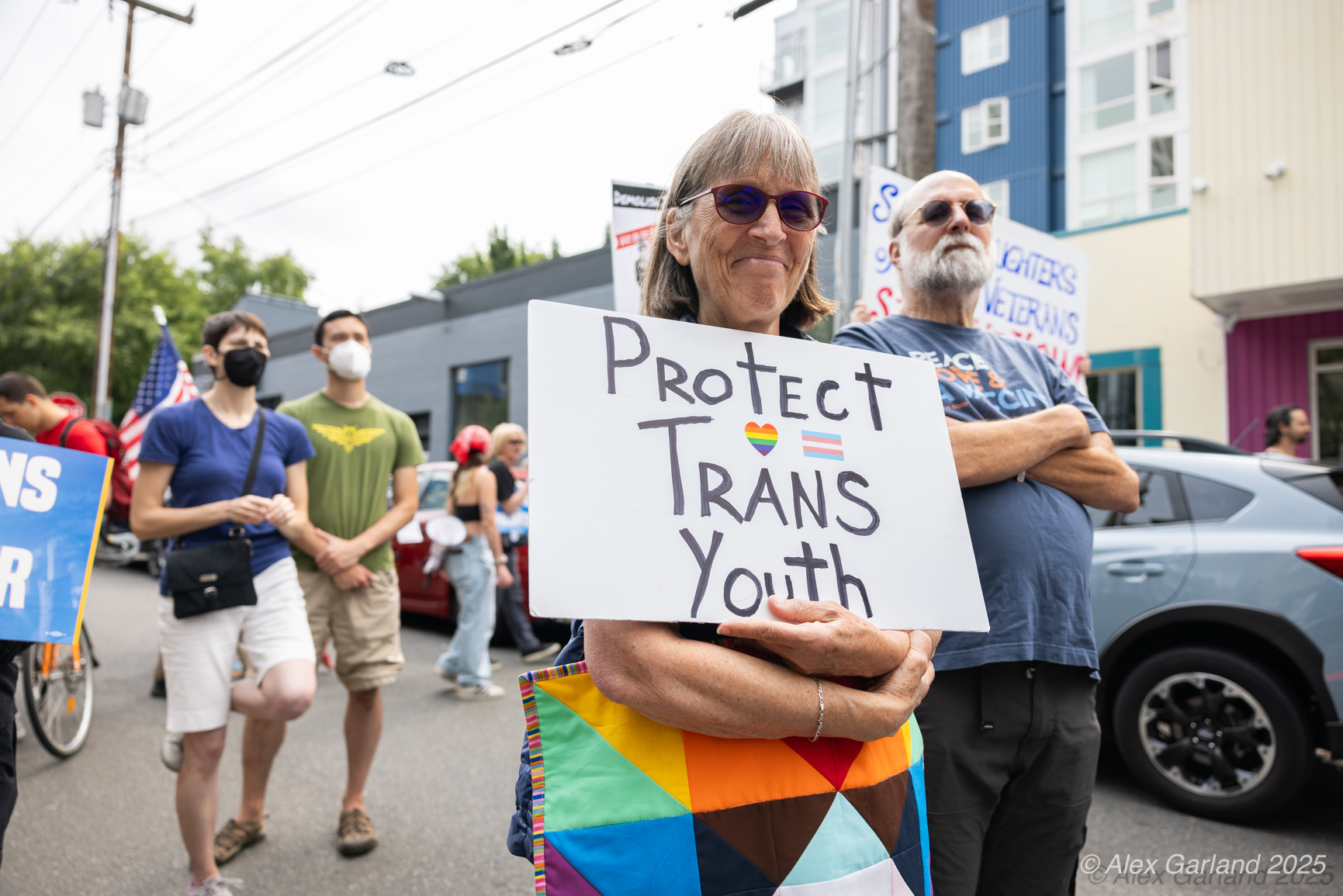
The protesters connected various issues – immigration rights, healthcare access, worker protections, and civil liberties – under the umbrella of opposition to what they see as Palantir’s expanding influence in both government and commercial sectors.
Labor Day’s evolution from a 19th-century call for worker solidarity to Monday’s tech-focused protest reflects how labor organizing has adapted to confront new forms of corporate power. As the holiday traditionally marks the unofficial end of summer and return to work and school, this year’s demonstrations suggest labor activists are preparing for intensified organizing efforts in the fall.







 The Dignity Virus